Expert Dishwasher Repair in Haverhill, MA
Appliance Repair for Homes & Businesses in Haverhill, Methuen, Lawrence, Merrimac, Groveland, Georgetown, Massachusetts and Nearby Areas
Dishwasher Repair in Haverhill, Massachusetts, Appliance Repair Pros
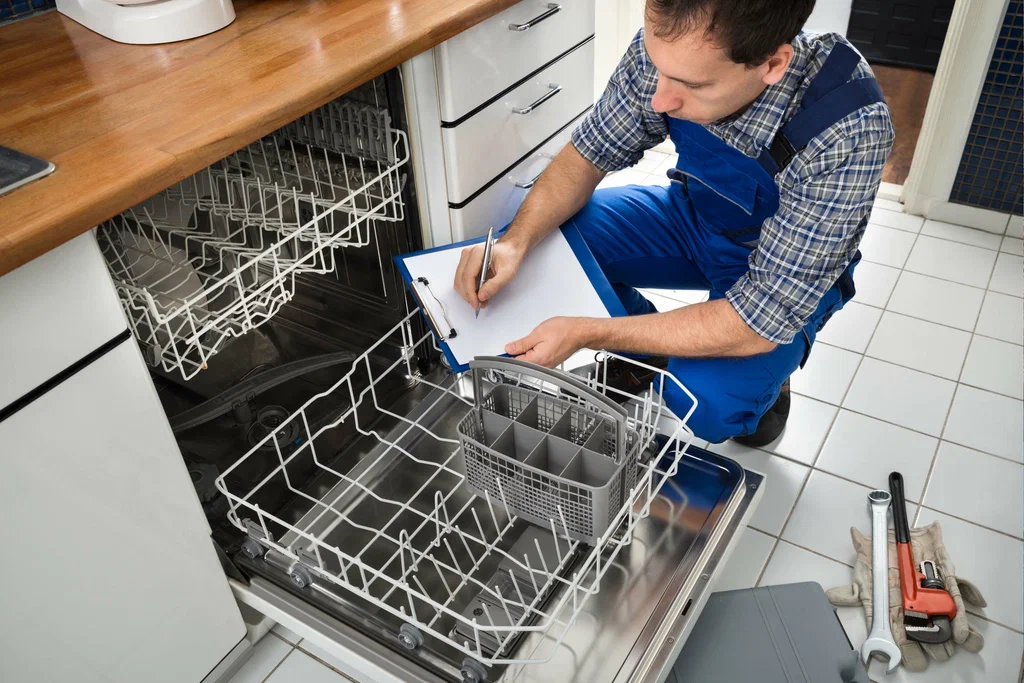
Dishwasher Repair in Haverhill, Massachusetts is a primary focus for our team because we know how much a busy household relies on this appliance. A broken dishwasher creates an immediate pile of dirty plates and disrupts your evening routine. Appliance Repair Pros provides detailed diagnostics and effective repairs for homeowners in Haverhill and the surrounding communities including Methuen, Lawrence, Merrimac, Groveland, and Georgetown. We understand the mechanics of modern cleaning cycles and water drainage systems. When your unit starts leaking water, failing to drain, leaving dishes dirty, making loud grinding noises, or refusing to start, we are ready to help. Our technicians navigate the specific challenges of local homes, such as the hard water conditions often found in the Merrimack Valley that can clog spray arms and intake valves. We treat your kitchen with respect and ensure our work area is clean before we leave. Contact us today.
Dishwasher Repair Services in Haverhill
We provide a complete range of repair services for all major dishwasher configurations. Modern dishwashers are far more complex than the models from twenty years ago. They utilize sophisticated sensors to detect soil levels and variable speed motors to adjust water pressure. Our team stays current on these technologies to ensure we can resolve issues with high efficiency units and standard models alike. We analyze the entire wash system to find the root cause of the failure rather than just swapping out parts. Whether you have a unit integrated into your cabinetry or a standalone model, we have the tools to access and repair it.
Dishwasher systems we work on
- Standard built in under counter units
- Drawer style dishwashers
- Portable or rolling units
- Integrated panel ready models
- Stainless steel tub models
- Plastic tub models
- Top control units
- Front control units
- Smart dishwashers with Wi-Fi connectivity
What makes dishwasher repair tricky
- Water inlet valves that can fail mechanically or electronically
- Circulation pumps with integrated heating components
- Complex main control boards and user interface panels
- Turbidity sensors that measure water clarity
- Hidden drain pumps and check valves
- Door latch assemblies with microswitches
- Diverter motors that direct water to different spray arms
Common Dishwasher Problems We Fix
Dishwasher Not Draining
One of the most frequent calls we receive involves standing water at the bottom of the tub after a cycle finishes. This is not only unsightly but can lead to odors and bacterial growth. You might notice a pool of grey water covering the filter screen or even spilling over the door lip when you open it. The machine might hum as if it is trying to drain but nothing happens.
Likely causes
- Clogged drain filter or debris trap
- Blocked garbage disposal knockout plug on new installs
- Failed drain pump motor
- Obstructed drain hose
- Broken drain impeller
- Faulty check valve allowing water to backflow
How we diagnose it
We start by inspecting the drain path from the sump assembly to the house plumbing. We listen to the drain pump to see if it engages or hums. We check the check valve for proper operation and verify that the drain hose has the correct high loop to prevent backflow from the sink.
What you can do right now
Check the filter at the bottom of the tub and remove any large food particles or broken glass. If you have a garbage disposal, run it to ensure it is clear. Verify that the drain hose under the sink is not kinked or crushed.
Dishes Coming Out Dirty
A dishwasher that runs a full cycle but leaves food residue on plates is frustrating. You may find grit inside cups, sauce stuck to plates, or silverware that looks dull. This often indicates an issue with water circulation or water temperature rather than a mechanical failure of the wash cycle itself.
Likely causes
- Clogged spray arm holes
- Failed circulation pump
- Broken wash impeller
- Low water level in the tub
- Diverter motor failure
- Hard water mineral buildup
How we diagnose it
We listen for the sound of water spraying against the door during the wash cycle. We open the door mid cycle to verify the water level is reaching the heating element or float switch. We inspect the spray arms for cracks or blockages and test the water temperature to ensure it is hot enough to dissolve detergent.
What you can do right now
Ensure you are not overcrowding the racks. Tall items on the bottom rack can block the spray arm from spinning. Check the holes in the spray arms for seeds or debris and clear them with a toothpick.
Dishwasher Leaking Water
Water leaks can cause significant damage to your kitchen floor and cabinetry if not addressed immediately. You might see a puddle forming in front of the machine, water dripping from the corners of the door, or moisture accumulating in the cabinet under the sink. Leaks can originate from several different points on the unit.
Likely causes
- Damaged or worn door gasket
- Loose hose connection
- Leaking water inlet valve
- Crack in the tub
- Defective pump seal
- Float switch stuck in the down position
How we diagnose it
We remove the lower kickplate to observe the underside of the unit while it fills and washes. We check the door alignment and the condition of the seal. We also inspect the water supply line and the drain hose connections for any signs of moisture or corrosion.
What you can do right now
Check the rubber seal around the door for rips or food buildup. Tighten the water supply connection if it is accessible. If the leak is active, shut off the water supply valve to the dishwasher to prevent damage.
Dishwasher Not Starting
When you press the start button and nothing happens, it disrupts your kitchen workflow. You might see lights on the control panel but get no response, or the panel might be completely dark. Sometimes the unit will beep but refuse to initiate the fill cycle.
Likely causes
- Broken door latch or strike
- Blown thermal fuse
- Faulty control board
- Tripped circuit breaker
- User interface or keypad failure
- Child lock feature engaged
How we diagnose it
We test the door switches for continuity to ensure they are signaling the control board that the door is closed. We check incoming power at the junction box. We inspect the control board for burn marks or loose connections and test the thermal fuse.
What you can do right now
Check your household circuit breaker to see if it has tripped. Open and close the door firmly to ensure it is latched. Check if the control lock or child lock light is illuminated on the display.
Dishwasher Not Filling with Water
If the dishwasher starts the cycle and you hear the motor running but no water enters the tub, the dishes will not get clean. You might hear a buzzing sound from the inlet valve trying to open. Without water, the heating element can also be at risk of overheating in some older models.
Likely causes
- Failed water inlet valve
- Stuck float assembly
- Clogged inlet screen
- Water supply shut off
- Electronic control issue
How we diagnose it
We use a multimeter to check if the water inlet valve is receiving voltage when the cycle starts. If it has power but no water flows, the valve is likely bad. We also check the float switch to see if debris is preventing it from dropping down to call for water.
What you can do right now
Verify that the water supply valve under the sink is turned to the open position. Lift the float in the bottom of the tub up and down to see if it moves freely and clicks.
Noises During the Cycle
Dishwashers are designed to be relatively quiet, so loud grinding, thumping, or squealing noises are cause for concern. These sounds often indicate a mechanical obstruction or a component that is beginning to fail. Ignoring these noises can lead to more extensive damage.
Likely causes
- Hard object like glass or bone in the chopper blade
- Worn wash motor bearings
- Spray arm hitting dishes
- Drain pump obstruction
- Loose impeller
How we diagnose it
We identify when the noise occurs in the cycle. A noise during draining points to the drain pump, while a noise during washing points to the circulation motor. We inspect the sump area for foreign objects and check the spray arms for clearance.
What you can do right now
Spin the spray arms by hand to ensure they do not hit any plates or silverware. Check the bottom of the tub for loose items like screws, pits, or broken glass that might be rattling around.
Dishes Not Drying
Opening the dishwasher to find dripping wet plates is a common complaint. While plastics naturally dry slower, ceramic and glass items should be dry. This issue can stem from the heating system or the venting system.
Likely causes
- Burned out heating element
- Malfunctioning vent wax motor
- Vent fan failure
- Empty rinse aid dispenser
- Limit thermostat failure
How we diagnose it
We test the heating element for continuity. We check the high limit thermostat to see if it has cut power to the heater prematurely. We also verify the operation of the vent assembly that releases hot, humid air.
What you can do right now
Ensure the rinse aid dispenser is full, as this is essential for drying in modern energy efficient models. Try using the “Sanitize” or “High Temp” option to increase the final rinse temperature.
Soap Dispenser Not Opening
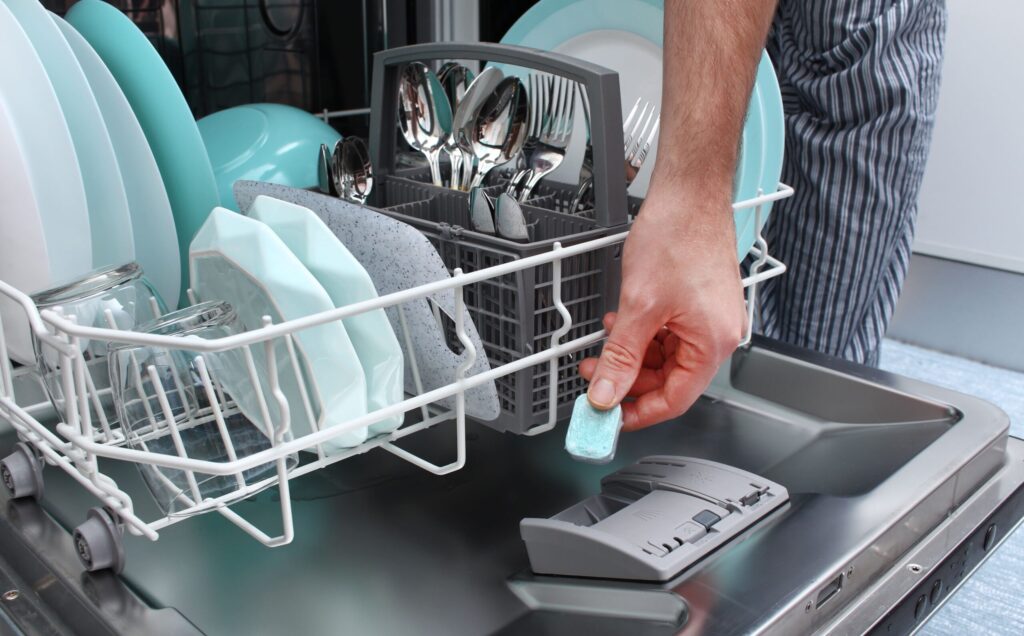
Finding the detergent tablet sitting undissolved in the bottom of the tub or stuck in the cup means the wash cycle was ineffective. The dispenser door relies on a precise trigger mechanism to open at the right time.
Likely causes
- Broken dispenser spring or latch
- Wax motor failure
- Timer cam issue
- Detergent residue gumming up the slide
- Tall dish blocking the dispenser door
How we diagnose it
We inspect the dispenser mechanism for physical damage or sticky residue. We test the actuator that triggers the door to open. We also check the electronic signal from the main board to the dispenser.
What you can do right now
Clean the dispenser cup with warm water to remove old soap. Make sure the tall plates are loaded on the sides, away from the detergent cup on the door.
Long Wash Cycles
If your dishwasher seems to run for hours longer than usual, it may be struggling to heat the water or sense that the dishes are clean. Modern units will extend the cycle if the conditions are not met.
Likely causes
- Dirty or faulty turbidity sensor
- Weak heating element
- Low incoming water temperature
- Thermostat issues
- Control board software error
How we diagnose it
We check the resistance of the temperature sensor. We verify the incoming water temperature and inspect the turbidity sensor for cloudiness or buildup that might cause it to misread the soil level.
What you can do right now
Run the hot water at the kitchen sink before starting the dishwasher. This ensures the unit starts with hot water, reducing the time needed to heat it internally.
Foul Odors Inside
A dishwasher should smell fresh, not musty or like sewage. Bad smells often indicate that waste is not being flushed out completely or that bacteria is growing in hidden areas.
Likely causes
- Grease buildup in the sump
- Clogged filters
- Improper drain hose installation
- Food trapped in the door seal
- Standing water
How we diagnose it
We inspect the filter and sump assembly. We check the drain hose installation to ensure there is a proper high loop or connection to an air gap, which prevents sink odors from entering the dishwasher.
What you can do right now
Clean the filter thoroughly. Wipe down the door gasket and the bottom lip of the door. Run a cycle with a dishwasher cleaner or a cup of white vinegar on the top rack.
Safety Notes for Dishwasher Issues
Dishwashers combine electricity, heat, and water, which creates unique safety risks when a malfunction occurs. Before attempting to inspect your unit, it is crucial to understand the hazards. We prioritize safety during every service call in Haverhill.
- If you see water pooling on the floor do this first. Place towels down immediately to prevent slipping hazards and water damage to subflooring. Turn off the water supply valve to the dishwasher, usually located under the sink. If the water is deep or near electrical outlets, turn off the circuit breaker before stepping in the water.
- If you see smoke or smell burning plastic do this first. Immediately cancel the cycle and turn off the power at the circuit breaker. Do not open the door right away, as the influx of oxygen could fuel a small fire. Keep the door closed and wait for the unit to cool down completely.
Never bypass safety switches or ground connections. Dishwashers must be properly grounded to prevent electrical shock. If you suspect an electrical issue, do not touch the bare metal parts of the interior. Sharp edges are common on the stainless steel inner door and tub, so use caution when reaching inside. If you have a gas range nearby or gas water heater, be mindful of gas lines when pulling the dishwasher out for inspection.
Brands We Service for Dishwasher Repair in Haverhill
Different manufacturers use distinct engineering designs for their wash systems and electronics. A repair strategy that works for one brand may not work for another. We categorize our training to cover the specific nuances of each major appliance family.
Whirlpool family and similar designs (Whirlpool, Maytag, KitchenAid, Amana)
These brands are very common in Haverhill homes. They typically use a robust motor and pump assembly. Newer KitchenAid and Maytag models often feature advanced filtration systems and third racks that require specific disassembly techniques.
Common issues we see with these models
- Diverter motors failing to switch zones
- Top rack adjuster clips breaking
- Control board relay failures
- Wash pump motor failure
- Heating element burnout
Correct diagnosis is vital here because symptoms like “not cleaning” can often be a simple filter issue rather than a major pump failure. We know where to look first.
GE family (GE, Hotpoint, and related lines)
GE dishwashers often use specific control logic and sensor arrays. Their Profile and Monogram lines feature heavy duty washing jets and bottle washers that add complexity to the water distribution system.
Common issues we see with these models
- Electronic control board resets needed
- Door latch sensor alignment
- Flood float switch sticking
- Solenoid failures on drain pumps
- Spray arm rotation issues
We understand the diagnostic modes on GE units that allow us to test individual components without pulling the machine out, saving time and reducing disruption.
Samsung and LG
These brands are technology forward, often incorporating linear wash arms or waterfall technology. They rely heavily on digital inverters and complex main boards. The wiring and sensor networks in these units require precise electronic testing.
Common issues we see with these models
- LE or OE error codes related to leaks or drainage
- Water wall reflector issues (Samsung)
- Direct drive motor faults (LG)
- Case sensor moisture detection
- Touchpad responsiveness issues
Because these units are sensitive to moisture and power fluctuations, accurate testing of the sensors is critical to avoid replacing expensive control boards unnecessarily.
Frigidaire and Electrolux
These units are known for their specific heating and drying systems. They often use a passive condensing dry system or a fan assisted vent. Accessing the components often requires removing the bottom kickplate and accessing the sump from underneath.
Common issues we see with these models
- Drain pump blockages
- Heating element blistering or failure
- Door spring tension failure
- Upper spray arm tube disconnecting
- Circulation motor noise
We are familiar with the “OrbitClean” spray arms and other proprietary features, ensuring we can reassemble them correctly after service.
Bosch and Thermador
European designs like Bosch are known for quiet operation and efficiency. They lack a heating element at the bottom, relying on condensation drying. Their bases are solid plastic or stainless steel and contain complex leak protection systems known as AquaStop.
Common issues we see with these models
- E15 error code (water in base)
- Drain pump jamming
- Inlet valve screen clogging
- Door rope/spring breaking
- Junction box burning out
Servicing Bosch units requires specific knowledge of how to access the base pan to clear leak sensors. We have the expertise to handle these highly engineered machines.
Understanding Common Dishwasher Error Codes
Modern dishwashers communicate problems through digital displays. While these codes point us in the right direction, they are rarely the final answer. A code for a “drain error” could mean a bad pump, a clog, or a bad sensor. Testing is always required.
- OE / 1E: Drain Error. The unit detects water is not leaving the tub.
- LE / HE: Leak Error or Heating Error. Moisture detected in the base pan or water not reaching temp.
- i20 / i30: Draining or Leak detection (often Bosch/Electrolux).
- E15: Water detected in the base pan (Bosch).
- 4E / 4C: Water supply error. The unit is not filling fast enough.
- PE / 9E: Half load or diverter error. Problem with water distribution.
- F5 / 7 Flashes: Spray arm or motor issue.
- PF: Power Failure. Occurs after a power outage or breaker trip.
Maintenance Tips for Dishwasher Owners in Haverhill
Routine maintenance can extend the life of your dishwasher and improve its cleaning performance. Given the local water conditions in our area, preventing mineral buildup is key.
Clean the Filter Regularly. Most modern dishwashers have a manual filter at the bottom of the tub. Remove this cylinder and rinse it under hot water weekly. This prevents grit from recirculating onto your clean dishes.
Inspect the Spray Arms. Remove the spray arms every few months and poke a toothpick through the holes. Seeds, bone fragments, and hard water deposits can block the flow of water, leading to poor cleaning results.
Use Rinse Aid. Rinse aid is not optional for modern dishwashers. It breaks the surface tension of the water, allowing it to sheet off dishes. This prevents spots and helps the drying process significantly.
Run Hot Water First. In winter months in Haverhill, pipes can get very cold. Run the hot water at your kitchen sink until it is steaming before starting the dishwasher. This ensures the first fill is hot, which helps dissolve the detergent pod immediately.
Clean the Door Seal. Wipe the rubber gasket around the door with a damp cloth. Food residue can build up here and create a gap, eventually leading to leaks.
Run a Cleaning Cycle. Once a month, place a cup of white vinegar in a bowl on the top rack and run a hot cycle. This helps dissolve mineral scale and clear out grease from the drain lines.
Service Area for Dishwasher Repair in and Around Haverhill, MA
We are proud to serve Haverhill and the surrounding communities in the Merrimack Valley. Our technicians live and work in the area, allowing us to respond quickly to service requests. We cover the main residential areas of Haverhill as well as the neighboring towns, providing consistent and reliable service to all our customers.
- Haverhill
- Methuen
- Lawrence
- Merrimac
- Groveland
- Georgetown
Zip codes we serve: 01830, 01831, 01832, 01835, 01844, 01840, 01841, 01842, 01843, 01860, 01834, 01833
Frequently Asked Questions
Why is there water standing in the bottom of my dishwasher?
A small amount of water in the sump area is normal to keep seals moist, but water covering the filter screen usually indicates a drainage issue. This is often caused by a clogged filter, a kinked drain hose, or a blockage in the garbage disposal connection. It can also result from a failed drain pump. Cleaning the filter is the first step you should take.
Is it worth repairing an old dishwasher?
If your dishwasher is under 7 years old, repair is usually the most economical choice. For units older than 10 years, it depends on the cost of the part. If the repair involves a minor component like a valve or switch, it is worth it. However, if the racks are rusted out and the main motor has failed, replacement might be a better option.
How long does a dishwasher repair typically take?
Most repairs are completed within one hour after our technician arrives. We carry a wide inventory of common parts like drain pumps, water valves, and heating elements in our vehicles. If a specialized part needs to be ordered, we will secure it quickly and return to finish the job as soon as possible.
Why are my glasses coming out cloudy?
Cloudy glasses are often the result of hard water mineral deposits or “etching.” Hard water leaves a white film that can be wiped off with vinegar. Etching is permanent damage caused by too much detergent and soft water. In Haverhill, hard water is more common, so using a rinse aid and checking your water softener settings can help.
Do you repair both portable and built in dishwashers?
Yes, we service both types. Built in units are the most common, but we also handle portable units that roll to the sink. The internal mechanics are very similar, though access to the components can differ. We also service drawer style dishwashers and ADA compliant models.
Is a loud grinding noise normal?
No, a dishwasher should not make grinding noises. This sound typically means a hard object like a fruit pit, piece of glass, or bone has bypassed the filter and is stuck in the chopper blade or pump impeller. It should be addressed immediately to prevent damage to the motor.
Can I find a dishwasher repairman near me who works on smart appliances?
Yes, our team is trained to handle modern smart dishwashers that connect to Wi-Fi. We can troubleshoot connectivity issues as well as standard mechanical failures. We serve Haverhill and the immediate surrounding towns to ensure you have local support for advanced appliances.
How do I stop my dishwasher from smelling bad?
Odors usually come from trapped food particles. Clean your filter regularly and ensure the drain hose has a “high loop” under the sink. This loop prevents dirty water from the sink from flowing back into the dishwasher. Running a monthly cleaning cycle with a commercial cleaner or vinegar also helps.
What should I do before the technician arrives?
Please clear any dishes out of the dishwasher so we can access the interior components. If the unit is under the counter, it helps to clear the area under the kitchen sink as well, since we may need to access the water supply and drain connections located there. Keep pets and children away from the work area for safety.
Do you service high end brands like Bosch and Miele?
Yes, we service premium brands. These units often require specialized knowledge regarding their leak detection systems and water heating methods. Our technicians have the experience necessary to navigate the complex engineering of European and high end American dishwasher brands.
Conclusion
Appliance Repair Pros is dedicated to keeping your kitchen running smoothly. We provide thorough diagnostics and reliable repair services for all major dishwasher brands in Haverhill, Methuen, Lawrence, Merrimac, Groveland, and Georgetown. Our focus is on accuracy and respecting your home, ensuring that we fix the problem correctly the first time. Whether you are dealing with a leak, a drainage issue, or poor cleaning performance, we have the expertise to resolve it. Reach out to us for assistance.