Expert Stove & Oven Repair in Haverhill, MA
Appliance Repair for Homes & Businesses in Haverhill, Methuen, Lawrence, Merrimac, Groveland, Georgetown, Massachusetts and Nearby Areas
Stove and Oven Repair in Haverhill, Massachusetts, Appliance Repair Pros
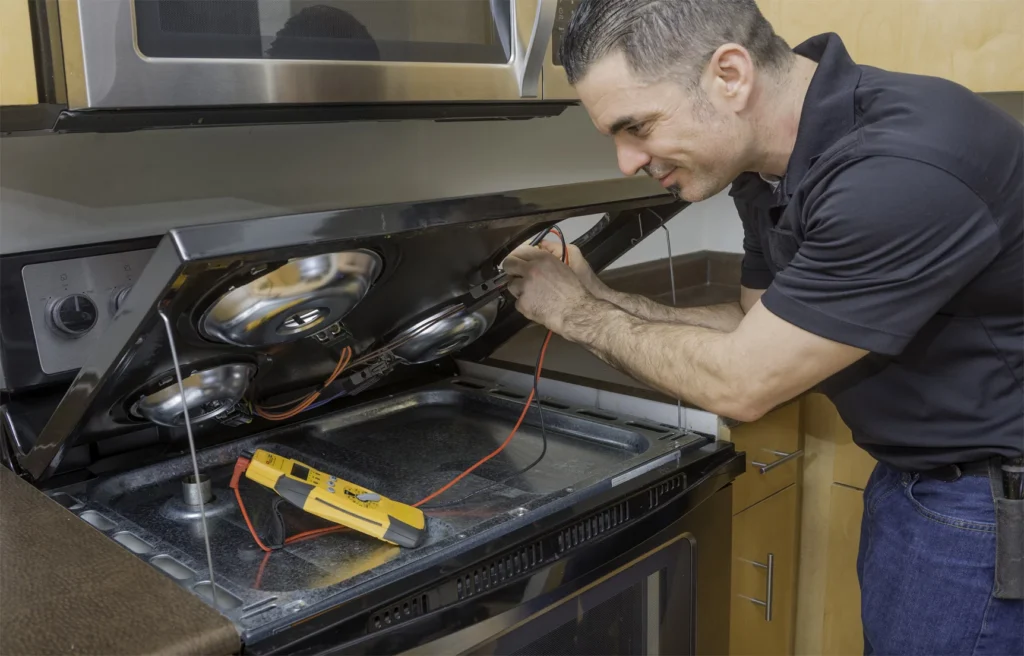
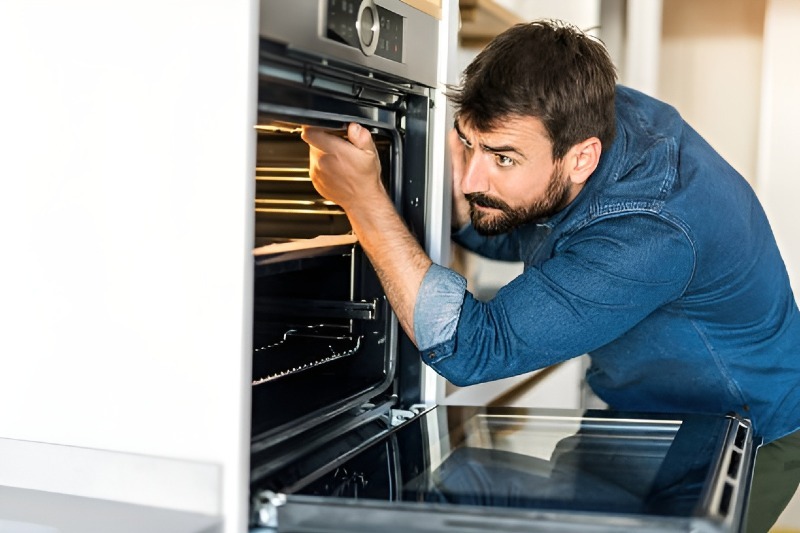
Stove and Oven Repair in Haverhill, Massachusetts is a critical service we provide because we know that a broken range disrupts your entire family routine. Whether you are unable to boil water for pasta or bake a holiday meal, a malfunctioning cooking appliance is a major inconvenience. Appliance Repair Pros offers precise diagnostics and professional repairs for homeowners in Haverhill and the surrounding Merrimack Valley area, including Methuen, Lawrence, Merrimac, Groveland, and Georgetown. We work on both gas and electric units, understanding the specific safety requirements for each. When your gas burner fails to light, your electric oven refuses to heat, or your control panel displays an error code, we are the local team to call. We respect your home, navigating safely around gas lines and 240-volt electrical connections found in many older Haverhill properties. Contact us today.
Stove and Oven Repair Services in Haverhill
We provide a comprehensive range of repair services for all cooking appliances. The technology in modern kitchens has evolved significantly, with dual-fuel ranges and induction cooktops becoming as common as traditional coil burners. Our technicians are trained to handle the complexities of modern temperature sensors and electronic ignition systems. We analyze the complete heating circuit to ensure we identify the true source of the problem, ensuring a lasting repair rather than a temporary patch.
Cooking systems we work on
- Gas ranges and slide-in units
- Electric ranges (coil and smooth top)
- Wall ovens (single and double)
- Induction cooktops
- Gas cooktops
- Dual-fuel ranges
- Convection ovens
- Warming drawers
What makes stove and oven repair tricky
- High-voltage electrical circuits (240V)
- Gas safety valves and pressure regulators
- Hidden bake elements located under the oven floor
- Complex electronic control boards and relay logic
- Door lock assemblies for self-cleaning cycles
- Calibrating temperature offsets
- Ceramic glass surface sensitivity
Common Stove and Oven Problems We Fix
Gas Burner Not Lighting
One of the most common issues in Haverhill kitchens is a gas burner that clicks repeatedly but fails to ignite. This usually indicates a disruption in the ignition process. You may smell a small amount of gas, or the igniter may spark weakly without catching the flame.
Likely causes
- Clogged burner ports from food spills
- Cracked or dirty spark electrode
- Failed spark module
- Moisture in the burner assembly
- Faulty ignition switch harness
How we diagnose it
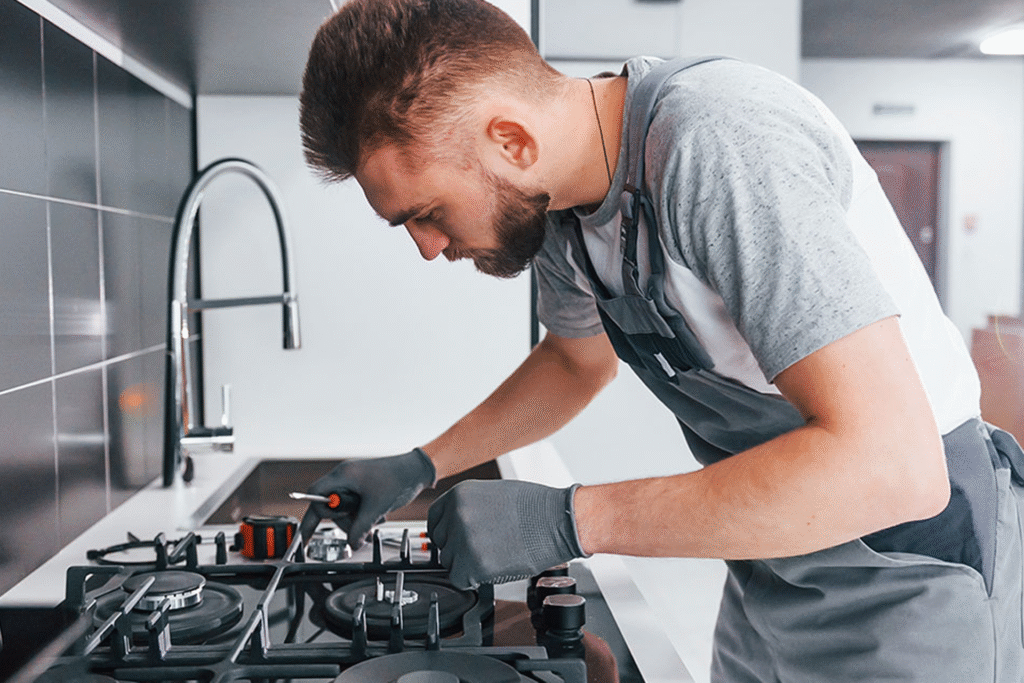
We observe the spark quality and listen to the pattern of the clicking. We inspect the gas flow to the burner and check the alignment of the burner cap. We also test the continuity of the ignition harness to ensure the signal is reaching the spark module.
What you can do right now
Remove the burner cap and base. Clean any debris from the small holes (ports) using a needle or paperclip. Ensure the parts are completely dry before reassembling, as moisture can prevent the spark from grounding.
Oven Not Heating (Electric)
Turning on your electric oven only to find it cold 20 minutes later is a major frustration. In many cases, the broil element might work while the bake element does not, or neither works at all. This prevents you from cooking anything substantial.
Likely causes
- Burned out bake element
- Blown thermal fuse
- Failed control board relay
- Loose or burnt wiring connection
- Broken temperature sensor
How we diagnose it
We visually inspect the heating element for blistering or breaks. We test the element for continuity using a multimeter. If the element is good, we trace the voltage back to the control board to see if the relay is sending power when the bake cycle is selected.
What you can do right now
Check your household circuit breaker. Electric ovens run on a double breaker (240V). Sometimes one side of the breaker trips, leaving the lights working but cutting power to the heating elements.
Oven Not Heating (Gas)
A gas oven that fails to heat works differently than an electric one. Usually, you will hear a click or see a glow, but the main gas valve never opens to release the fuel for the burner. This often involves the safety ignition system.
Likely causes
- Weak or broken glow bar igniter
- Defective safety valve
- Failed spark electrode (in some models)
- Control board failure
- Gas supply issue
How we diagnose it
We observe the glow bar igniter. If it glows red but takes more than 90 seconds to light the gas, or if it doesn’t get bright enough, it is likely weak. The safety valve requires a specific amperage from the igniter to open; if the igniter is weak, the gas will not release.
What you can do right now
Verify that the gas stopcock behind the range is open. If your surface burners are working, you know you have gas supply to the unit, pointing the issue to the oven components.
Uneven Baking
If your cookies burn on one side or cakes fall in the middle, your oven isn’t regulating heat correctly. This is rarely a recipe error and usually a mechanical or sensor issue within the appliance.
Likely causes
- Drifting temperature sensor
- Failed convection fan motor
- Blocked airflow vents
- Bent door hinges letting heat escape
- Control board calibration error
How we diagnose it
We test the resistance of the oven temperature sensor at room temperature. We inspect the convection fan to ensure it spins freely and engages during the cycle. We also check the door gasket for gaps that could be leaking heat.
What you can do right now
Check the placement of your racks. Ensure large pans are not blocking the airflow along the walls of the oven. Inspect the rubber gasket around the door for rips or tears.
Glass Cooktop Cracked
A cracked glass top is a safety hazard and a functional failure. It usually happens due to impact from a heavy pot or thermal shock. Once cracked, moisture can get into the electrical components below, creating a shock risk.
Likely causes
- Impact from dropping a heavy object
- Using cast iron or rough cookware
- Thermal shock from cold water on a hot surface
- Overtightened installation screws
How we diagnose it
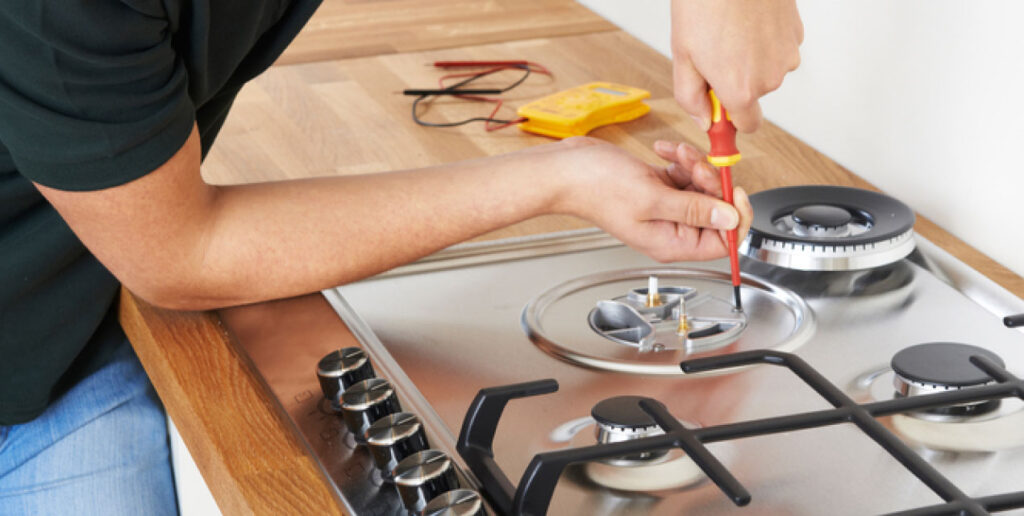
Diagnosis is visual. If the glass is cracked, the entire glass top assembly generally needs to be replaced. We assess the sub-components to ensure no liquid damaged the infinite switches or burners beneath the crack.
What you can do right now
Stop using the cooktop immediately. Do not attempt to use burners even on the non-cracked side, as liquids can migrate. Cover the crack with tape if necessary to prevent debris entry until it can be repaired.
Oven Door Locked Shut
The self-clean cycle uses extremely high heat and requires the door to lock for safety. Sometimes, the lock motor fails or the sensor malfunctions, leaving the door permanently locked with your dinner trapped inside or the oven unusable.
Likely causes
- Failed lock motor assembly
- Misaligned door latch
- Control board sensor error
- Warped door from high heat
How we diagnose it
We attempt to clear the error code to release the lock. If that fails, we may need to manually release the latch mechanism. We then test the lock motor to see if it has seized or if the microswitches inside are broken.
What you can do right now
Try running a short “Cancel/Off” cycle or flipping the breaker off for 5 minutes to reset the computer. Do not force the door open, as this will break the latch hook and the door frame.
Gas Smell
Smelling gas in your kitchen is a serious concern. While a faint whiff upon ignition is normal, a persistent smell indicates a leak. This requires immediate attention and safety precautions.
Likely causes
- Leaking pressure regulator
- Loose gas line connection
- Valve not closing completely
- Burner left slightly on without ignition
How we diagnose it
We use electronic gas detectors and bubble solution to test all joints and valves for leaks. We check the internal piping within the range and the connection at the wall.
What you can do right now
If the smell is strong, leave the house and call the gas company or fire department. If it is faint, ensure all burner knobs are in the “Off” position. Open windows to ventilate the area.
Control Panel Not Responding
Modern ranges rely on touchpads and digital displays. If the buttons do not beep or the display is blank, you cannot control the appliance. This is often an electronic failure.
Likely causes
- Ribbon cable corrosion
- Failed membrane switch (touchpad)
- Defective electronic control board (EOC)
- Power surge damage
How we diagnose it
We check the ribbon cable connecting the touchpad to the main board. We can test the keypad matrix to see if the buttons are registering. If the buttons work but the board doesn’t react, the main control board is likely the issue.
What you can do right now
Flip the circuit breaker off for 60 seconds to reset the electronics. Clean the surface of the control panel to ensure grease isn’t causing a button to stick.
Safety Notes for Stove and Oven Issues
Stoves and ovens involve high heat, combustible gas, and high-voltage electricity. These factors create significant safety risks if the appliance is malfunctioning. We prioritize safety above all else during our service calls in Haverhill.
- If you smell gas continuously do this first. Extinguish any open flames, such as candles. Do not turn light switches on or off, as the spark could ignite the gas. Open windows to ventilate the room. Shut off the main gas valve to the appliance if you can do so safely, and evacuate the home. Contact your gas utility provider immediately.
- If you see sparks or smoke from an electric element do this first. Turn off the oven or burner control immediately. Go to your electrical panel and flip the double breaker labeled “Range” or “Oven” to the OFF position. Do not use water to put out an electrical fire; use a kitchen fire extinguisher or baking soda for small grease fires.
Carbon monoxide is another invisible risk with gas ovens. A yellow or lifting flame on the oven burner can indicate incomplete combustion, which produces carbon monoxide. Ensure you have a working CO detector in your home, especially near the kitchen. Never use your oven to heat your home, as this is a primary cause of CO poisoning.
Brands We Service for Stove and Oven Repair in Haverhill
We service a wide variety of brands, each with its own engineering quirks. From the gas valves of a GE range to the induction sensors of a Bosch cooktop, we understand the differences.
Whirlpool family and similar designs (Whirlpool, Maytag, KitchenAid, Amana)
These are the workhorses of many Haverhill kitchens. They share many common parts, making repairs often more efficient. KitchenAid ranges often feature more complex convection systems and steam bake options.
Common issues we see with these models
- “Spark module” clicking continuously
- Control board relay failure causing no heat
- Door hinge springs losing tension
- AquaLift self-clean issues
- Bake element burning out
Accurate diagnosis is key here because a “no heat” symptom can be caused by the board, the element, or the thermal fuse. We pinpoint the exact failure to save you money.
GE family (GE, Hotpoint, and related lines)
GE gas ranges are very popular and generally reliable, but their igniters are a common wear item. The GE Profile and Café lines often introduce double ovens and dual-fuel options that require specialized testing.
Common issues we see with these models
- Glow bar igniter weak (slow to light)
- Pressure regulator noises
- Keypad membrane shorting out
- Convection fan motor noise
We check the amperage draw on the igniter specifically for GE models, as they are sensitive to voltage drops which can prevent the gas valve from opening.
Samsung and LG
These South Korean brands bring high-tech features like “knob-less” interfaces and dual-door ovens. They rely heavily on electronics, and their temperature sensors are highly sensitive.
Common issues we see with these models
- Uneven temperature requiring calibration
- Burner knobs breaking (plastic stems)
- Relay board failure
- Touchscreen freezing
- F-codes related to temperature runaways
Because these units use complex digital logic, we verify the error codes against the technical sheets to ensure we are replacing the correct circuit board.
Frigidaire and Electrolux
Frigidaire is well known for its induction cooktops and wall ovens. They often use a specific type of surface element switch that can be prone to failure after years of heavy use.
Common issues we see with these models
- Induction burner not sensing pan
- Surface element switch overheating
- Fan motor vibration
- Oven probe socket failure
We are experienced in testing the magnetic coils of induction units and the high-speed cooling fans required for these electronics.
Bosch and Thermador
These premium brands usually feature heavy-duty gas burners and precise simmering capabilities. Their dual-fuel ranges combine gas cooking with electric baking, requiring knowledge of both systems.
Common issues we see with these models
- Igniter clicking even when flame is lit
- Simmer burner clicking out
- Door seal degrading
- Display dimming
We understand the “flame rectification” system used in these high-end units, where the appliance monitors the flame quality electronically.
Common Warning Signs and What They Usually Mean
While some ovens display specific error codes (like F1 or F3), many older units simply act up. Here are the symptoms we look for to interpret what is going wrong.
- F-Codes (F1, F3, F9): These generally indicate an electronic failure. F1 is often the control board, F3 is usually the temperature sensor, and F9 implies a door lock issue.
- Clicking without lighting: This usually means the spark system is working, but gas is not reaching the burner, or the burner is too dirty to allow the gas to travel to the spark.
- Oven takes too long to preheat: In a gas oven, this is a sign of a weak igniter. In an electric oven, it usually means the hidden bake element has failed, and the oven is trying to heat using only the broil element.
- Food burning on the bottom: This suggests the temperature sensor is reading the air as cooler than it actually is, causing the burner to stay on longer than necessary.
- Clock works but oven doesn’t: This often points to a voltage issue (one leg of the 240V power is missing) or a control board relay failure.
Maintenance Tips for Stove and Oven Owners in Haverhill
Proper maintenance can prevent dangerous malfunctions and keep your appliance cooking evenly. This is especially important in the older homes of the Merrimack Valley where ventilation might be limited.
Clean Spills Immediately. Acidic spills like tomato sauce or lemon juice can eat through the enamel on the oven floor. Sugary spills on a glass cooktop can pit the glass if heated repeatedly. Clean them once the surface is cool.
Check the Door Gasket. The rubber seal around the oven door keeps heat in. If it is torn or brittle, heat escapes, damaging the control knobs above the door and causing uneven baking. Wipe it down with warm water regularly.
Clean Gas Burner Ports. If your flame is yellow or uneven, the ports are likely clogged. Use a stiff brush or a straightened paperclip to clear the holes. Do not use a toothpick, as it can break off inside.
Avoid Heavy Spray Cleaner on Knobs. Spraying cleaner directly onto the control panel allows liquid to seep behind the knobs and short out the electrical switches. Spray the cloth first, then wipe the panel.
Calibrate Your Oven. If you feel your oven runs hot or cold, check your user manual. Most models allow you to adjust the temperature offset by up to 35 degrees without tools.
Use the Right Cookware. For glass cooktops, ensure the bottom of your pans are flat. Warped pans create hot spots and can scratch the glass. For induction, ensure a magnet sticks to the bottom of the pan.
Service Area for Stove and Oven Repair in and Around Haverhill, MA
We are proud to serve the cooking needs of Haverhill and the neighboring towns. Our technicians are local to the area, ensuring we can reach your home efficiently. We cover the historic districts, the rural outskirts, and the suburban neighborhoods of the Merrimack Valley.
- Haverhill
- Methuen
- Lawrence
- Merrimac
- Groveland
- Georgetown
Zip codes we serve: 01830, 01831, 01832, 01835, 01844, 01840, 01841, 01842, 01843, 01860, 01834, 01833
Frequently Asked Questions
Is it safe to use my oven if I smell a little gas when turning it on?
A very faint, brief whiff of gas right as the burner ignites can be normal. However, if the smell persists for more than a few seconds, or if you smell gas when the unit is off, you have a leak or an ignition failure. In that case, do not use the oven. Turn off the gas valve and reach out to us for assistance.
Why does my electric oven take so long to preheat?
A properly functioning electric oven should reach 350 degrees in 15 to 20 minutes. If it takes longer, your bake element (often hidden under the floor) may have burned out, forcing the oven to rely solely on the broil element to heat the cavity. This requires a replacement element.
Is it worth repairing a range that is over 15 years old?
Ranges are generally simpler than refrigerators and can last a long time. If the issue is a standard part like an igniter or a heating element, repair is very cost-effective. However, if the electronic control board on an older unit fails, the part may be discontinued or expensive, making replacement a better option.
Can you replace just the glass on my cooktop?
Yes, the glass ceramic top is a replaceable part. However, it is often one of the most expensive parts of the appliance. We can quote the repair, but depending on the age of the unit, you might weigh this against the price of a new stove.
Why is my self-clean cycle not working?
The self-clean cycle requires the door to lock securely. If the door latch motor is broken or the sensor is misaligned, the cycle will not start. Additionally, if the thermal safety fuse has blown from a previous high-heat event, the oven will not allow the self-clean mode to engage.
Do you fix induction cooktops?
Yes, we have the specialized training required for induction repair. These units use strong magnetic fields and high-frequency electronics. Common issues include the unit not detecting the pan or the power board failing. We can diagnose these complex systems safely.
How often should I calibrate my oven temperature?
You shouldn’t need to do this often. However, if you notice your recipes are consistently undercooked or burnt, you can check it with a reliable oven thermometer. Most ovens allow you to adjust the temperature up or down by 15-35 degrees via the settings menu.
Can I find stove repair near me that handles older gas units?
Yes, we service older gas ranges found in many of Haverhill’s historic homes. We are familiar with pilot light systems as well as modern electronic ignition systems. We can help keep these classic appliances running safely.
Why does my gas burner click continuously after the flame is lit?
This is usually caused by a dirty ignition system or moisture. The stove uses a sensor to detect the flame; if the sensor is dirty or wet (common after cleaning), it “thinks” the flame is out and keeps sparking to relight it. Drying the burner thoroughly usually fixes this.
What should I do if my oven door is stuck locked?
First, check that the self-clean cycle isn’t currently running. If the cycle is over and it’s cool but still locked, try flipping the circuit breaker off for 5 minutes to reset the controls. If it remains locked, do not force it open, as you will break the latch. Contact us for a safe manual release.
Conclusion
Appliance Repair Pros is your trusted local expert for all stove and oven repairs in Haverhill, Methuen, Lawrence, Merrimac, Groveland, and Georgetown. We combine technical expertise with a commitment to safety, ensuring your cooking appliances operate correctly and efficiently. Whether you have a gas leak concern, a broken heating element, or a cracked glass top, our team is equipped to handle it. Reach out to us for assistance and let us get your kitchen back in working order.